

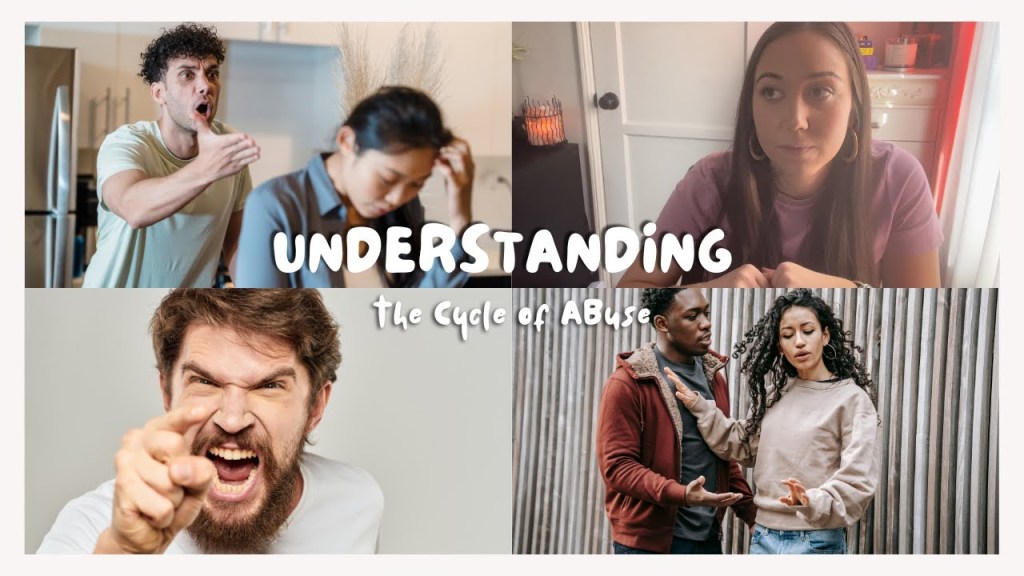
The cycle of abuse is a complex pattern that can occur in various types of relationships. It typically consists of four phases: the tension-building phase, the incident, the reconciliation phase, and the calm or honeymoon phase. Abuse does not discriminate. It appears in all different cultures, economic backgrounds, and relationships.
It is important to remember that breaking free from the cycle of abuse is incredibly challenging, but it is not impossible. Remember, no one deserves to be abused and there is always help available.
The four stages consist of:
Cycle Stage 1: Tension Building
This is where the stress of daily life builds up. You can begin to feel the tension. Maybe you feel you are walking on eggshells. Communication can break down and small arguments might escalate. The victim often feels a growing sense of fear and anxiety, sensing that an explosive episode is imminent. You become on edge waiting for the tension to snap.
Cycle Stage 2: Incident
This is where the tension has snapped and now an incident occurred. You are now at the peak of tension, which results in an abusive incident. This can take the form of physical violence, emotional manipulation, verbal abuse, or any other form of harmful behavior. The abuser may justify their actions or blame the victim, further exacerbating the trauma experienced.
Cycle Stage 3: Reconciliation
This is the make up stage and it follows the explosive incident. The abuser may attempt to reconcile with the victim. This could be a confusing time period because the victim just experienced something so hurtful, but now feels a lot of love pouring out of the abuser. This phase can be challenging for the victim because they may experience conflicting emotions of hope, fear, and love. They may believe that the abuser’s promises are sincere and genuinely want to believe in the possibility of change.
Cycle Stage 4: Calm or Honeymoon
During this phase, the relationship appears to have returned to a state of normalcy. There is not a lot of arguing. The abuser seems to be understanding that they need to change and maybe even exhibits kind and loving behavior. Although this stage seems like the end and the problem is fixed, unfortunately, there is a good chance that stage 1 will return.
If you recognize this pattern, please outreach to someone for help. Every situation is not the same so I am not saying this is exactly how it will look for everyone experiencing abuse; however, you will probably identify similarities. If you do notice similarities, but you are unsure, please continue to gain knowledge and seek help.
Sometimes victims are afraid to ask for help because they do not want to upset their partner. If you need help, but are afraid, reach out to a local domestic violence agency who is experienced with working with victims in private/secret way.
For more in-depth information, please watch my YouTube video:


 Carissa
Leave a comment